
Stop waiting for the weekend: Why recovery is essential to sustained high performance
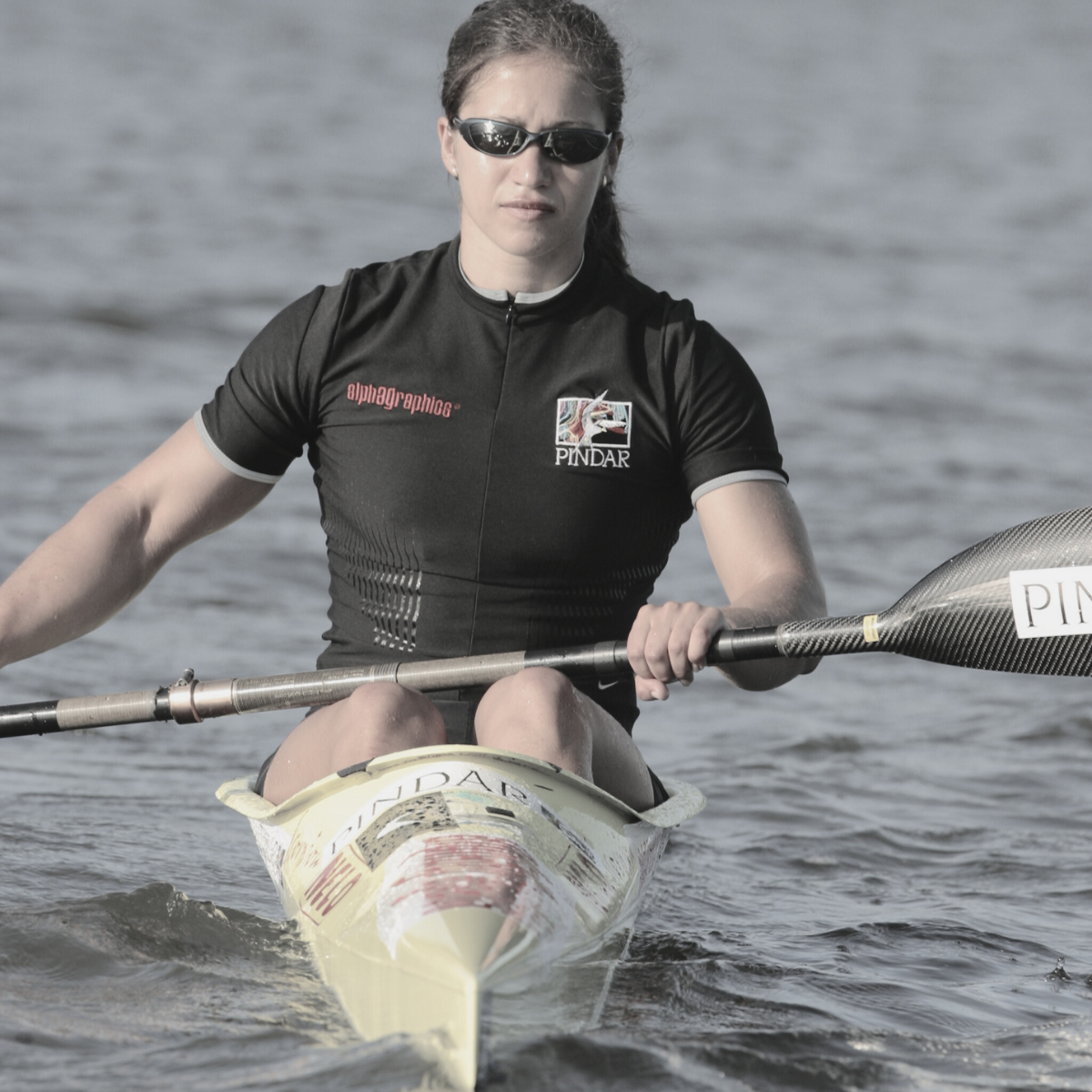
When I returned to my sport after being diagnosed with Chronic Fatigue Syndrome, I had to make some changes to my approach to training and to my mindset.
The core belief that had driven my entire career was simple: faster is better. Every muscle, every thought, every session was geared toward making the boat go faster. That intensity didn’t stay on the water. Yes, I was focused, but I was also young, and I loved life, so I filled every gap with doing something. I was convinced that the more I did, the more I’d achieve.
Being ill taught me something I didn’t want to learn. To go faster on the water, I needed to slow down off of it.
The space, the gaps, the pauses that let us recover and recharge had disappeared completely from my life. I’d filled every moment of my day. When we leave no room to recover, we leave no space to notice what is actually going on in the mind and body, no opportunity for clarity or for a new idea to surface.
I learned the hard way that recovery isn’t a luxury; it’s where progress actually happens.
Peak performance isn’t just about pushing harder; it’s about knowing when to rest. I couldn’t simply double my training and expect better results; I had to maximise recovery so that I could give 100% in every training session I did.
It doesn’t have to mean stopping for hours
Recovery doesn’t have to mean a day off.
In sport, we learned to recover between sessions as well as after them.
The same principle applies at work, within a single day, not just at the end of it.
In fast-moving markets and high-stakes environments, a single lapse in focus or emotional regulation can cost millions. Yet the default reaction to mounting pressure is almost always: work longer, push harder, sleep less.
I get it. Back-to-back meetings, tight deadlines, and relentless demands make stepping away feel impossible. But the reality is stark: you will never get more hours in the day.
What you can expand is your energy, focus, and capacity.
When you deliberately build micro-recovery into your working day, you don’t lose time, you gain energy, you’re more efficient and effective. It isn’t just about feeling better; it’s about making sharper decisions and fewer costly mistakes.
In the corporate world, recovery is what protects performance.
I’m not saying, “just take more breaks.” It’s about managing your capacity as deliberately as you manage your workload, building in the moments that let you keep performing rather than waiting until you’re running on empty.
A short break. A few deep breaths. A short walk at lunch. Even switching your phone off, yes, scary, I know. None of these are about doing less. They’re about protecting the energy that lets you keep operating at your highest level.

I get that it’s tough
I’m a mum of two teenagers, running a business, juggling family life, wanting to do it all brilliantly. Some weeks I’m flying around at 100mph, and I have to stop and remind myself that if I don’t slow down, I’m heading down a very slippery slope.
Of course I still drop balls. Usually a mum ball. Like the time I turned up to the wrong place at the wrong time to collect my daughter. She got a lift home from one of the more organised parents. The kind who read all their emails.
That’s when I remind myself to think like an athlete. If I want to perform at my best, I need a sustainable work ethic, and that includes recovery.
The people who think they don’t have time for recovery are invariably the ones who need it most.
So what does recovery actually look like for you? What genuinely energises and restores you?
And no, chocolate doesn’t count.
The things that actually restore us are often the first things we sacrifice, leaving only the things that drain us, and the result is exhaustion. Then you’re in a cycle: pressure rises, recovery disappears, energy drops, pressure gets harder to manage, decisions get worse, performance suffers, and the stress just builds.
If you want to thrive, not just survive, recovery can’t be optional; it has to be a priority and intentional daily discipline.
There are three things I want you to take away from this.
- Recovery doesn’t pause progress. It’s a strategy for sustaining it.
- You can’t create more hours. But you can create more energy.
- You can’t remove the pressure. But you can build your capacity to respond to it.
One question worth asking
Where in your week are you driving past the point where you should have stopped to recover and reset?
One thing to try this week
Look at tomorrow’s diary and find one 15-minute gap. Protect it. Then pay attention to what happens to your energy and concentration afterwards.
If you’d like to discuss any of the above in more depth, please contact me to start the conversation about how I can support your high-performing team.
Published: Tuesday 25 August 2026
Written by: Anna Hemmings, MBE, OLY.